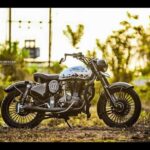

How to Modify a Royal Enfield Without Compromising Reliability
how-to-modify-a-royal-enfield-without-compromising-reliability
How to Modify a Royal Enfield Without Compromising Reliability is a practical guide for riders in India who want a motorcycle that feels personal without becoming difficult to own. The smartest approach is to begin with how you actually ride: crowded commutes, weekend highways, short evening rides or two-up touring. A visually dramatic change is not automatically an improvement. In this guide we focus on a methodical approach to fitment, servicing and durability, explain trade-offs, and show how to compare options before paying a workshop.
Every suggestion needs to be checked against the exact motorcycle variant, model year and existing equipment. Accessories sold for one Royal Enfield platform may not fit another. Prices, availability and legal requirements can change; treat budgets as planning ceilings rather than quotations, and obtain a written itemised estimate before buying.
Keep factory engineering intact
For Royal Enfield motorcycles, think about fitment verification in relation to your riding posture and daily routine. Before ordering, check whether the part interferes with the handlebar at full lock, the seat opening, the pillion area or existing factory fittings. A useful modification should remain comfortable after an hour on the road, not merely look impressive in a photograph.
Compare torque specifications with brake inspection rather than choosing both automatically. Ask the seller for a model-specific part number, fitting instructions, return policy and clear photographs of the mounting points. Quality of brackets, fasteners and finish often matters more than the accessory’s marketing name.
A careful installer will inspect cable routing, fastener security, clearance around moving components and the way the new item affects maintenance access. Request the original parts back and keep the invoice. If a proposed change involves frame cutting, emissions equipment, lighting compliance or a different registered specification, get authoritative advice before proceeding.
Practical takeaway: For keep factory engineering intact, spend on fit and function before decorative extras. Take a baseline photograph, write down what problem you are solving, and evaluate the result on familiar roads in daylight before planning another purchase.
Choose compatible components
Compare wiring protection with suspension sag rather than choosing both automatically. Ask the seller for a model-specific part number, fitting instructions, return policy and clear photographs of the mounting points. Quality of brackets, fasteners and finish often matters more than the accessory’s marketing name.
A careful installer will inspect cable routing, fastener security, clearance around moving components and the way the new item affects maintenance access. Request the original parts back and keep the invoice. If a proposed change involves frame cutting, emissions equipment, lighting compliance or a different registered specification, get authoritative advice before proceeding.
For Royal Enfield motorcycles, think about brake inspection in relation to your riding posture and daily routine. Before ordering, check whether the part interferes with the handlebar at full lock, the seat opening, the pillion area or existing factory fittings. A useful modification should remain comfortable after an hour on the road, not merely look impressive in a photograph.
Practical takeaway: For choose compatible components, spend on fit and function before decorative extras. Take a baseline photograph, write down what problem you are solving, and evaluate the result on familiar roads in daylight before planning another purchase.
Protect electrical reliability
A careful installer will inspect cable routing, fastener security, clearance around moving components and the way the new item affects maintenance access. Request the original parts back and keep the invoice. If a proposed change involves frame cutting, emissions equipment, lighting compliance or a different registered specification, get authoritative advice before proceeding.
For Royal Enfield motorcycles, think about suspension sag in relation to your riding posture and daily routine. Before ordering, check whether the part interferes with the handlebar at full lock, the seat opening, the pillion area or existing factory fittings. A useful modification should remain comfortable after an hour on the road, not merely look impressive in a photograph.
Compare load limits with electrical connectors rather than choosing both automatically. Ask the seller for a model-specific part number, fitting instructions, return policy and clear photographs of the mounting points. Quality of brackets, fasteners and finish often matters more than the accessory’s marketing name.
Practical takeaway: For protect electrical reliability, spend on fit and function before decorative extras. Take a baseline photograph, write down what problem you are solving, and evaluate the result on familiar roads in daylight before planning another purchase.
Installation quality and testing
For Royal Enfield motorcycles, think about test rides in relation to your riding posture and daily routine. Before ordering, check whether the part interferes with the handlebar at full lock, the seat opening, the pillion area or existing factory fittings. A useful modification should remain comfortable after an hour on the road, not merely look impressive in a photograph.
Compare fitment verification with tyre ratings rather than choosing both automatically. Ask the seller for a model-specific part number, fitting instructions, return policy and clear photographs of the mounting points. Quality of brackets, fasteners and finish often matters more than the accessory’s marketing name.
A careful installer will inspect cable routing, fastener security, clearance around moving components and the way the new item affects maintenance access. Request the original parts back and keep the invoice. If a proposed change involves frame cutting, emissions equipment, lighting compliance or a different registered specification, get authoritative advice before proceeding.
Practical takeaway: For installation quality and testing, spend on fit and function before decorative extras. Take a baseline photograph, write down what problem you are solving, and evaluate the result on familiar roads in daylight before planning another purchase.
Maintenance after modification
Compare electrical connectors with steering clearance rather than choosing both automatically. Ask the seller for a model-specific part number, fitting instructions, return policy and clear photographs of the mounting points. Quality of brackets, fasteners and finish often matters more than the accessory’s marketing name.
A careful installer will inspect cable routing, fastener security, clearance around moving components and the way the new item affects maintenance access. Request the original parts back and keep the invoice. If a proposed change involves frame cutting, emissions equipment, lighting compliance or a different registered specification, get authoritative advice before proceeding.
For Royal Enfield motorcycles, think about tyre ratings in relation to your riding posture and daily routine. Before ordering, check whether the part interferes with the handlebar at full lock, the seat opening, the pillion area or existing factory fittings. A useful modification should remain comfortable after an hour on the road, not merely look impressive in a photograph.
Practical takeaway: For maintenance after modification, spend on fit and function before decorative extras. Take a baseline photograph, write down what problem you are solving, and evaluate the result on familiar roads in daylight before planning another purchase.
Modification ideas and what to check
1. Fitment Verification
Build a repeatable check for fitment verification: confirm compatibility, document the baseline, follow the maker’s instructions and inspect after the first few rides. If anything feels unusual, stop and have the motorcycle assessed instead of trying to compensate with another modification. A shop should explain both the benefit and the compromise: extra weight, cleaning effort, passenger space, vibration, sight lines or cost. Never assume a universal accessory is suitable merely because the listing mentions Royal Enfield.
2. Torque Specifications
Build a repeatable check for torque specifications: confirm compatibility, document the baseline, follow the maker’s instructions and inspect after the first few rides. If anything feels unusual, stop and have the motorcycle assessed instead of trying to compensate with another modification. A shop should explain both the benefit and the compromise: extra weight, cleaning effort, passenger space, vibration, sight lines or cost. Never assume a universal accessory is suitable merely because the listing mentions Royal Enfield.
3. Electrical Connectors
Build a repeatable check for electrical connectors: confirm compatibility, document the baseline, follow the maker’s instructions and inspect after the first few rides. If anything feels unusual, stop and have the motorcycle assessed instead of trying to compensate with another modification. A shop should explain both the benefit and the compromise: extra weight, cleaning effort, passenger space, vibration, sight lines or cost. Never assume a universal accessory is suitable merely because the listing mentions Royal Enfield.
4. Wiring Protection
Build a repeatable check for wiring protection: confirm compatibility, document the baseline, follow the maker’s instructions and inspect after the first few rides. If anything feels unusual, stop and have the motorcycle assessed instead of trying to compensate with another modification. A shop should explain both the benefit and the compromise: extra weight, cleaning effort, passenger space, vibration, sight lines or cost. Never assume a universal accessory is suitable merely because the listing mentions Royal Enfield.
5. Tyre Ratings
Build a repeatable check for tyre ratings: confirm compatibility, document the baseline, follow the maker’s instructions and inspect after the first few rides. If anything feels unusual, stop and have the motorcycle assessed instead of trying to compensate with another modification. A shop should explain both the benefit and the compromise: extra weight, cleaning effort, passenger space, vibration, sight lines or cost. Never assume a universal accessory is suitable merely because the listing mentions Royal Enfield.
6. Brake Inspection
Build a repeatable check for brake inspection: confirm compatibility, document the baseline, follow the maker’s instructions and inspect after the first few rides. If anything feels unusual, stop and have the motorcycle assessed instead of trying to compensate with another modification. A shop should explain both the benefit and the compromise: extra weight, cleaning effort, passenger space, vibration, sight lines or cost. Never assume a universal accessory is suitable merely because the listing mentions Royal Enfield.
7. Steering Clearance
Build a repeatable check for steering clearance: confirm compatibility, document the baseline, follow the maker’s instructions and inspect after the first few rides. If anything feels unusual, stop and have the motorcycle assessed instead of trying to compensate with another modification. A shop should explain both the benefit and the compromise: extra weight, cleaning effort, passenger space, vibration, sight lines or cost. Never assume a universal accessory is suitable merely because the listing mentions Royal Enfield.
8. Suspension Sag
Build a repeatable check for suspension sag: confirm compatibility, document the baseline, follow the maker’s instructions and inspect after the first few rides. If anything feels unusual, stop and have the motorcycle assessed instead of trying to compensate with another modification. A shop should explain both the benefit and the compromise: extra weight, cleaning effort, passenger space, vibration, sight lines or cost. Never assume a universal accessory is suitable merely because the listing mentions Royal Enfield.
9. Load Limits
Build a repeatable check for load limits: confirm compatibility, document the baseline, follow the maker’s instructions and inspect after the first few rides. If anything feels unusual, stop and have the motorcycle assessed instead of trying to compensate with another modification. A shop should explain both the benefit and the compromise: extra weight, cleaning effort, passenger space, vibration, sight lines or cost. Never assume a universal accessory is suitable merely because the listing mentions Royal Enfield.
10. Test Rides
Build a repeatable check for test rides: confirm compatibility, document the baseline, follow the maker’s instructions and inspect after the first few rides. If anything feels unusual, stop and have the motorcycle assessed instead of trying to compensate with another modification. A shop should explain both the benefit and the compromise: extra weight, cleaning effort, passenger space, vibration, sight lines or cost. Never assume a universal accessory is suitable merely because the listing mentions Royal Enfield.
Budgeting without regrettable purchases
Ask for two quotations: an essential package that solves the main riding problem and an optional package for appearance. Separate accessory price from fitting labour. Make room for consumables, replacement fasteners and post-installation checks. Buying everything at once makes it harder to identify which modification improved the motorcycle and which introduced noise, discomfort or maintenance problems.
Common mistakes to avoid
Do not buy a part solely from a social-media photograph, ignore the exact model year, assume louder means faster, hide wires under sharp edges or let accessories obstruct the number plate, indicators or lights. Do not exceed the motorcycle or luggage-system load ratings. For tyres, brakes, suspension, structural work and electrical changes, use appropriately qualified technicians and follow manufacturer specifications.
Frequently asked questions
What should I modify first?
Start with a specific problem on your Royal Enfield motorcycles: comfort, luggage, protection or visibility. Fixing a real need gives better value than buying several decorative items at once.
Will modifications affect the warranty?
They can affect warranty claims related to the changed part or resulting damage. Check the manufacturer and dealer terms before installation; keep receipts and original parts.
Are these modifications legal in India?
Legality depends on the exact alteration and applicable rules. Consult current requirements and your RTO for changes affecting registration details, structure, lighting, exhaust or other regulated systems.
Can I install accessories at home?
Simple cosmetic items may be manageable with the correct instructions and tools. Leave safety-critical, electrical, braking and structural work to qualified professionals.
How can I keep the build reliable?
Choose model-specific parts, use correct fasteners, inspect clearances, avoid unverified wiring splices and perform a controlled post-installation test ride.
Final checklist
Before paying, confirm the exact Royal Enfield motorcycles variant and year; photograph the original motorcycle; list the problem each change solves; check fitment and documentation; ask for an itemised quotation; verify legal and insurance implications; and schedule a follow-up inspection. The best modified Royal Enfield is the one you still enjoy riding and maintaining long after the excitement of the new look fades.
Further reading: Royal Enfield Genuine Motorcycle Accessories and Supreme Court decision concerning vehicle alterations. Product listings are references for accessory types, not endorsements or promises of fitment or price.
A practical India-focused guide to how to modify a royal enfield without compromising reliability, covering compatibility, cost planning, safety, and smart accessory choices.
royal enfield modification ideas